15 Best European Cities for Solo Female Travelers in 2026
Transformation Tribesa · September 22, 2026
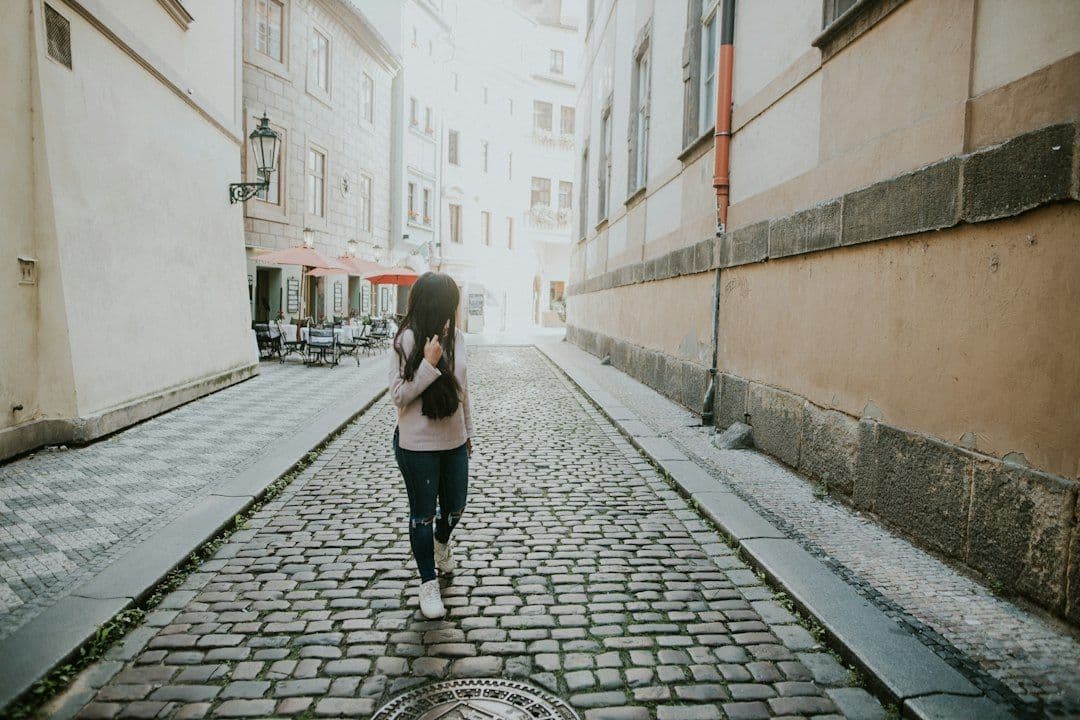
Solo female travel Europe searches usually turn up the same five cities and a list of vague safety tips. The cities below are chosen for a specific reason: each one lets you walk home after dark without thinking twice about it, strike up a conversation without fending off unwanted attention, and eat dinner alone without ever feeling like the only person doing it. Here is where that actually plays out on the ground.
What Solo Female Travel in Europe Actually Requires
Crime statistics matter less here than street-level texture: how late shops stay open, whether locals make eye contact back, how easy it is to get a table for one without a raised eyebrow from the host. Every city on this list scores well on all three, not just on a safety index that never mentions any of them.
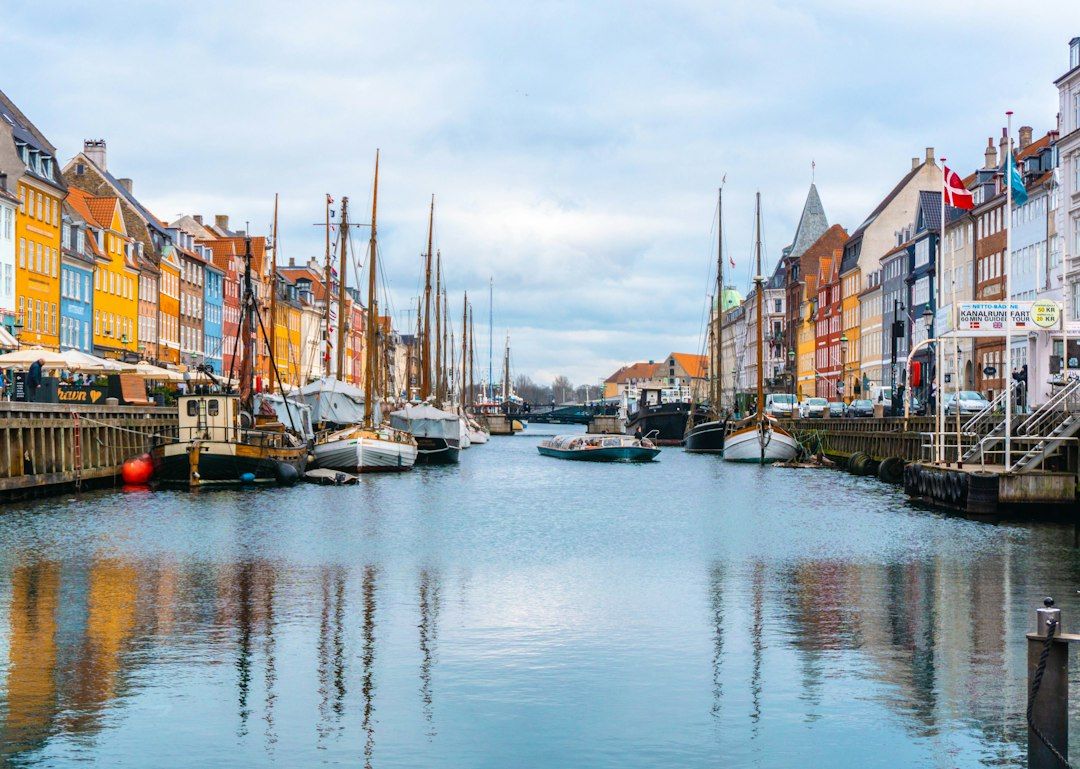
1. Copenhagen: A City Built Around the Bike, Not the Car
Copenhagen's bike lanes do more than move traffic. They put you shoulder to shoulder with commuters, students, and parents on cargo bikes at every hour, which means the street is never empty the way it can be in car-first cities. Rent a bike on your first morning instead of relying on night buses; you will read the city's rhythm faster and get home from a late dinner without waiting on a schedule. Superkilen park and the harbor baths are worth building a day around, and cafés here rarely flinch at a table for one.
2. Ljubljana: A Capital You Can Cross on Foot in Twenty Minutes
Ljubljana's compact core means you are never more than a short walk from your accommodation, which removes the after-dark transit calculation entirely. The riverside cafés along the Ljubljanica stay lively with locals well into the evening, so a solo dinner there never feels exposed. The one thing a quick guide misses: the city's dragon bridge area gets genuinely quiet by 10 p.m., so plan your evening walk earlier if you want company on the path rather than solitude.
3. Porto: Steep Streets That Keep Neighbors Watching Out for Each Other
Porto's hillside layout means residents are constantly on their balconies and stoops, which creates an informal watchfulness you feel within a day of arriving. The Ribeira district is touristy by day but locals reclaim it by night, filling the riverside benches. Wear real shoes; the calçada portuguesa paving is beautiful and genuinely slippery when wet, and a turned ankle alone in an unfamiliar city is the actual risk here, not crime.
4. Valencia: A Beach City That Doesn't Shut Down at Sunset
Valencia spreads its life across a huge converted riverbed park, the Turia Gardens, which stays populated with runners, families, and cyclists into the night and functions as a lit, walkable spine through the whole city. The Ruzafa neighborhood has the highest density of small plates bars where solo diners are completely normal. Skip the beachfront promenade after midnight; it empties out faster than the city center does.
5. Vienna: Where Museums and Coffeehouses Double as Living Rooms
Vienna's coffeehouse culture exists specifically for people who want to sit alone for two hours with a book and a Melange, and no server will hurry you along. Public transport runs a genuine night-bus network, so you are never stranded waiting for a single last train. The detail most guides skip: many Viennese coffeehouses post their exact newspaper and seating rules on the door, and reading them is half the fun of figuring out the etiquette.
6. Tallinn: A Medieval Core Small Enough to Memorize by Day Two
Tallinn's old town is dense and well lit, and because it is genuinely small, you build a mental map of it faster than almost anywhere else on this list. The Telliskivi Creative City district, a former industrial complex now full of cafés and studios, is where locals actually spend their evenings rather than the more photographed old town squares. Cobblestones here are uneven in places, so budget extra time if you are walking in the rain.
7. Bologna: A University City That Runs on Arcades, Not Alleys
Bologna's porticoes, covered arcaded walkways that line most central streets, mean you can cross the city in a downpour and stay dry, and they keep foot traffic constant well after dark because they double as informal gathering spots. As a university town, the average age skews young and the food culture assumes you will be eating out alone at least once. Skip the car-adjacent streets near the train station at night and stick to the university quarter instead.
8. Ghent: A Smaller, Calmer Answer to Bruges
Ghent gets a fraction of Bruges's tourist volume while offering the same canal-and-medieval-tower scenery, which means restaurant staff and shopkeepers have the bandwidth to actually talk to you rather than process you through a line. The Graslei waterfront is lit and busy into the evening with students from the local university. The practical tip: Ghent Sint-Pieters station is a fifteen-minute tram ride from the center, not walking distance, so plan late arrivals accordingly.
9. Zurich: Expensive, But That Buys You Predictability
Zurich's cost of living filters out a lot of the chaos that makes some cities feel unpredictable after dark; trains run on a schedule you can set a watch to, and the lake promenade is lit and populated late into summer evenings. It is not a budget stop, and there is no pretending otherwise. What a quick guide misses: the free public swimming spots along the Limmat river are where locals actually socialize in warm weather, not the postcard old town.
10. Reykjavik: A Capital Where Almost Nothing Feels Far
Reykjavik's small size and famously low crime rate make it one of the most straightforward solo destinations in Europe, and the constant daylight in summer months removes the after-dark question for half the year entirely. Winter flips that entirely, with only a few hours of daylight, so pack for both scenarios if your dates are near the equinox. The geothermal pools, not the bars, are where locals actually spend unstructured social time, and showing up solo there is completely normal.
11. Edinburgh: A City That Rewards Walking Its Two Levels
Edinburgh's Old Town sits on a genuine vertical layer of closes, wynds, and underground streets, and while that sounds intimidating, the density of pubs, bookshops, and late cafés along the Royal Mile keeps it populated well past dark. The New Town's Georgian grid is quieter and better lit if you want a calmer evening walk. The detail that catches people off guard: Scottish weather changes fast enough that a sunny afternoon walk can turn into a cold, wet evening within the hour.
12. Krakow: A Compact Old Town With Genuine Late-Night Energy
Krakow's main square and the Kazimierz Jewish quarter both stay busy late, filled with students and locals rather than a tourist-only crowd, which makes solo evening walks feel ordinary rather than notable. The city is flat and easy to navigate on foot, with almost everything worth seeing inside a twenty-minute walking radius. Taxis here are inexpensive enough that there is little reason to walk back alone from Kazimierz late at night if you would rather not.
13. Bergen: A Fjord City Where the Harbor Is the Social Center
Bergen's Bryggen harbor district, with its row of tilted wooden buildings, stays lit and active into the evening because the restaurants there cater to a steady stream of ferry and cruise arrivals as much as tourists on foot. The funicular up to Mount Fløyen is worth doing solo at golden hour for the harbor view, before it gets crowded with groups later in the day. Rain gear is not optional; Bergen is one of the wettest cities in Europe, and that shapes what shoes and jacket you actually need.
14. Lucerne: A Small Swiss City Built Around Its Lake
Lucerne's old town wraps around the lake and the Reuss river, and the covered wooden Chapel Bridge means there is always a lit, populated path back to most central accommodations. The lakefront promenade stays busy with an evening walking crowd of locals well past dinner. What a fast-moving guide skips: the mountain viewpoints above the city, like Pilatus, are best visited as a half-day solo trip on the way in or out, not squeezed between other plans.
15. Split: A Roman Palace That's Also a Living Neighborhood
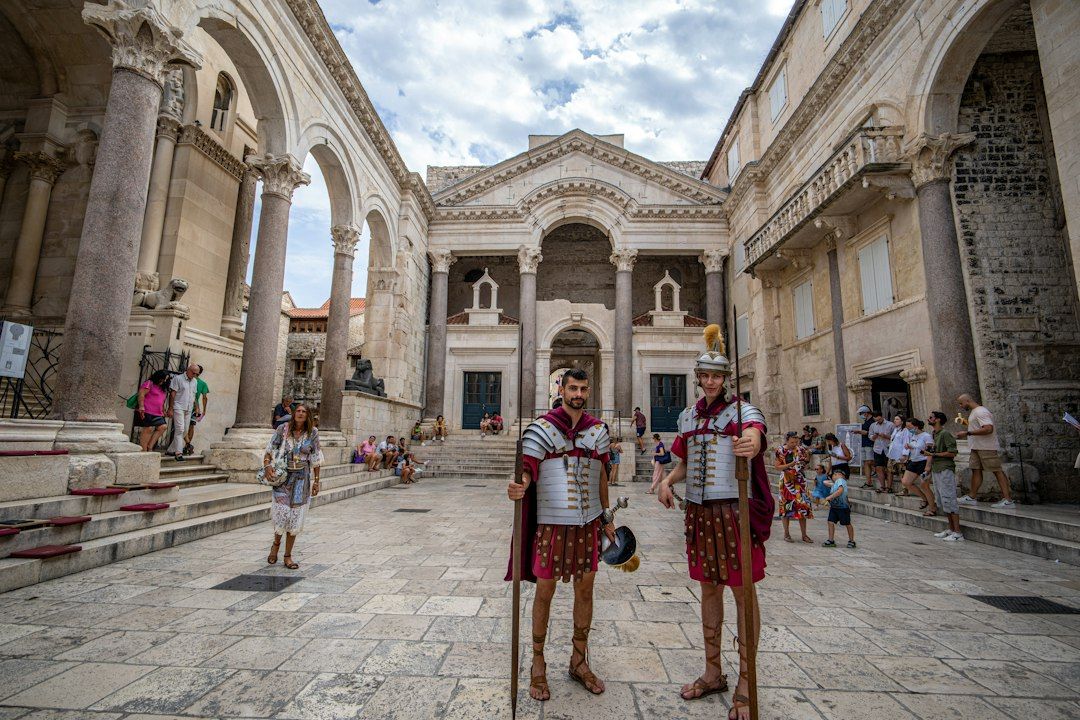
Split's old town is built directly into the walls of a former Roman palace, and unlike a museum site, people actually live inside it, which keeps the alleys populated with residents going about ordinary errands well into the evening. The Riva waterfront promenade is the default evening gathering spot for the whole city, solo travelers included. Ferry schedules to the islands change by season, so confirm timing locally rather than trusting an old printed schedule. [VERIFY]
The Best Starter Pick if This Is Your First Solo Trip
If you are choosing just one city to test whether solo travel suits you, start with Ljubljana. It is small enough that you cannot get seriously lost, safe enough that the question rarely comes up twice, and social enough along the river that you will end most evenings in a conversation with someone if you want one, and in easy solitude if you don't.