Best Time to Visit Vietnam: A Month-by-Month Guide
Transformation Tribesa · September 22, 2026
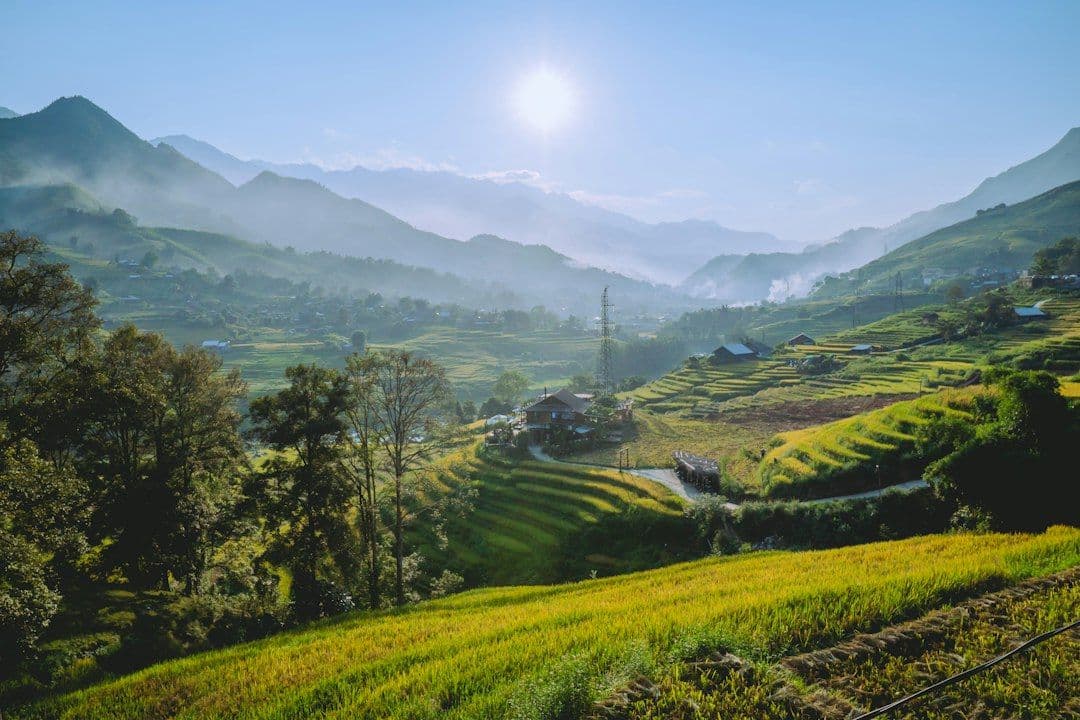
Ask five people the best time to visit Vietnam and you will get five different answers, and all of them can be right. That is because the best time to visit Vietnam depends entirely on where in the country you are going: while Hanoi shivers through a grey, damp winter, Ho Chi Minh City is baking in dry season sunshine a thousand miles south. Get the timing wrong for your route and you can end up chasing rain from Hue to Hoi An for a week straight.
Vietnam's Three Climate Zones
Vietnam stretches over 1,000 miles north to south, and its weather splits into three distinct zones that rarely agree with each other.
- The North (Hanoi, Sapa, Ha Long Bay): four real seasons, with a cold, damp winter from December to February and a hot, humid summer from May to August.
- Central Vietnam (Hue, Hoi An, Da Nang, Nha Trang): the wildcard zone, with a wet season that runs roughly September through January, including the bulk of the country's typhoon risk.
- The South (Ho Chi Minh City, Mekong Delta, Phu Quoc): a simpler two-season pattern of dry (December to April) and wet (May to November), with wet season showers usually short and predictable rather than day-long washouts.

If your trip covers the whole country, which most first visits do, this overlap is the whole game: there is rarely a month that is ideal everywhere at once, only a month that is ideal for the specific route you are taking.
Month-by-Month Breakdown
January
Peak dry season in the south and a good window in central Vietnam, while the north stays cold and often shrouded in mist, especially in Sapa. Crowds and prices are high everywhere, this is one of the busiest months of the year for tourism. [VERIFY: exact Tet/Lunar New Year date, since it shifts every year and can fall in late January or February, shutting down transport during Lunar New Year and many businesses for several days.]
February
Similar to January in the south and center, dry and popular. The north begins to warm slightly but stays overcast. If Tet falls in this month, expect fully booked domestic flights and trains for about a week, and many family-run restaurants closed. [VERIFY: current-year Tet dates before booking.]
March
A genuinely excellent month for the north, drier and warmer with better visibility for Ha Long Bay and trekking around Sapa. The south is still dry and heating up. Crowds ease slightly after the Tet rush, making this a strong all-around pick.
April
The north is pleasant and increasingly green. The south enters its hottest, driest stretch before the wet season arrives, which can feel intense in Ho Chi Minh City. Central Vietnam is generally dry and comfortable. Prices dip slightly as the peak winter rush fades.
May
Southern wet season begins, usually as short, heavy afternoon downpours rather than all-day rain, so mornings are often still usable for sightseeing. The north gets hot and humid. Central Vietnam remains a decent option before its own wet season kicks in later in the year.
June
Hot and humid nationwide. The south settles into its wet-season rhythm of brief storms. This is shoulder season pricing in most of the country, with fewer international visitors than the winter months, though domestic summer travel picks up around school holidays.
July
Similar to June: hot, humid, and wetter in the south, with the north also seeing its heaviest rainfall of the year. Central beach towns like Da Nang and Hoi An are usually still fine, sitting in a relatively dry pocket before autumn's wet season starts.
August
Peak heat and humidity almost everywhere, with the south's wet season in full swing. Domestic tourism is high due to summer holidays, so beach towns can be busier and pricier than the weather alone would suggest.
September
Central Vietnam's wet season and typhoon risk begins to build, making Hoi An and Hue less reliable this month. The north cools into a genuinely lovely stretch of clear skies and comfortable temperatures. The south's rains start easing toward the end of the month.

October
One of the highest typhoon-risk months for central Vietnam, worth watching forecasts closely if Hoi An or Hue are on the route. The north remains excellent, arguably its best window of the year for trekking and Ha Long Bay visibility. The south is drying out nicely.
November
Central Vietnam's wet season and typhoon risk continues, so flexibility matters here. The north stays cool and pleasant, sliding toward winter. The south enters its dry season, making this a strong month for a Mekong Delta or Ho Chi Minh City-based trip.

December
Dry season is well underway in the south and largely settled in central Vietnam. The north turns cold, especially in the mountains around Sapa, where nighttime temperatures can drop close to freezing. Holiday season pushes prices and crowds up everywhere in the back half of the month.
Best Month by Trip Type
If timing is the deciding factor in when you book, here is a quick reference for matching the calendar to the kind of trip you actually want, and cross-checking the official Vietnam tourism board's current advisories:
| Trip Type | Best Months | Why |
|---|---|---|
| Beach trip (central/south coast) | February–April | Reliably dry across both regions, before the southern wet season and before central typhoon risk returns |
| Cultural trip (north-heavy, Hanoi/Sapa/Ha Long Bay) | September–November | Clearest skies, best mountain visibility, comfortable temperatures |
| Budget trip (anywhere) | June–August | Lower international demand keeps flights and hotels cheaper, despite the heat and afternoon rain |
There is no single best time to visit Vietnam that works for every itinerary, but there is almost always a best time for yours. Match the region you are prioritizing to its dry season, build in flexibility around central Vietnam's wet months, and check the current year's Tet dates before locking in flights if you are traveling in late January or February.