Iceland Packing List: What Locals Wish Tourists Knew
Transformation Tribesa · September 22, 2026
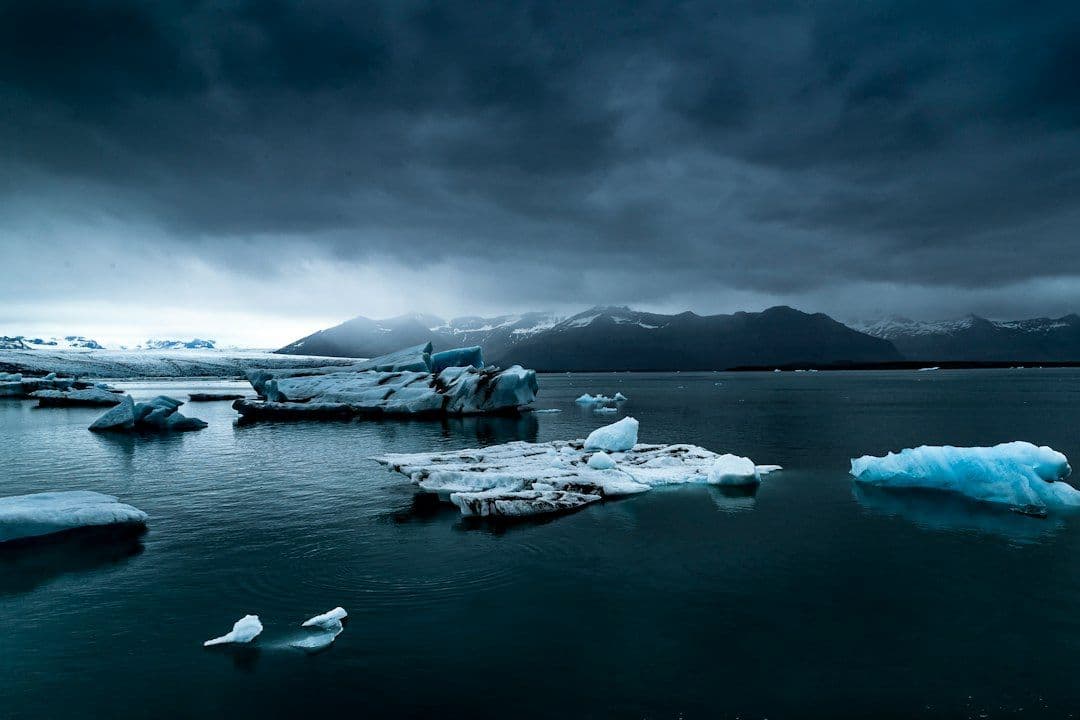
Icelanders have a quiet ritual every July: watching tourists shiver in cotton hoodies on a "summer" day that never breaks 12°C. The confusion is understandable. The word "summer" does a lot of false advertising here. Iceland's weather doesn't follow a season so much as it cycles through four of them before lunch, and a proper Iceland packing list is built around that instability, not around whatever month is stamped on your itinerary. Locals aren't smug about this — most of them have lent a stranded tourist a spare fleece at least once.
Building an Iceland Packing List That Actually Holds Up
The mistake most first-timers make is packing for a destination, not for a climate that changes hour to hour. Locals don't check tomorrow's forecast so much as they check the wind. Rain in Reykjavik rarely lasts, but sideways rain driven by a 40 mph gust will find its way through anything that isn't built for it. Pack in systems, not outfits.
Layers
- A moisture-wicking base layer (merino wool or synthetic, never cotton)
- A fleece or light insulated mid-layer
- A genuinely waterproof and windproof outer shell — not "water-resistant"
- A packable down or synthetic jacket for evenings and higher elevations
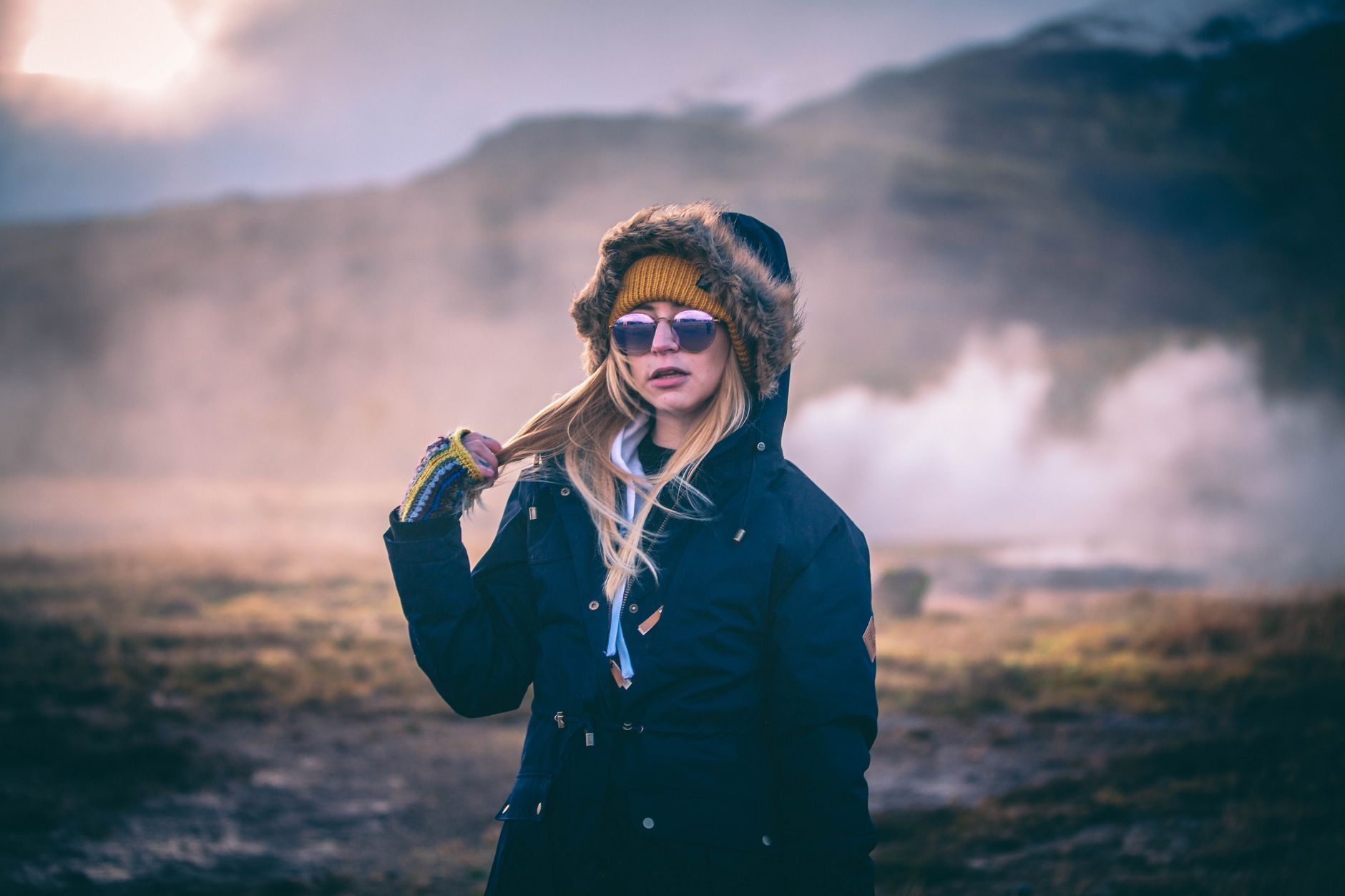
The single most common mistake here is bringing a fashion raincoat instead of a technical shell. A jacket rated for a drizzly commute will soak through in twenty minutes on the south coast. Locals layer because it lets them strip down when the sun breaks through and the wind drops, which happens more than visitors expect.
Footwear
- Waterproof hiking boots with ankle support, broken in before the trip
- Wool hiking socks (bring more pairs than seems reasonable)
- A lightweight pair of shoes for towns and restaurants
Lava fields and glacier moraine are uneven and often wet underfoot, and new boots worn for the first time on day one are how blisters end trips early. Break them in at home. Wet feet in a 6°C wind is the fastest way to make a good day feel miserable.
Accessories
- A warm hat that covers the ears
- Waterproof or windproof gloves
- A buff or scarf for wind protection
- Sunglasses, even in winter (low-angle sun and snow glare are relentless)
Wind chill does more damage here than actual temperature, so an uncovered head and wrists are where visitors lose the most body heat without realizing it. This is the category tourists skip most often, usually because it looks unnecessary from the airport shuttle window.
Gear for Glacier Hikes and Hot Springs
- Crampons and a helmet (usually provided by tour operators, but confirm beforehand)
- A dry bag or waterproof pouch for phones and electronics
- A swimsuit and quick-dry towel for geothermal pools
- Flip-flops for walking between changing rooms and pools
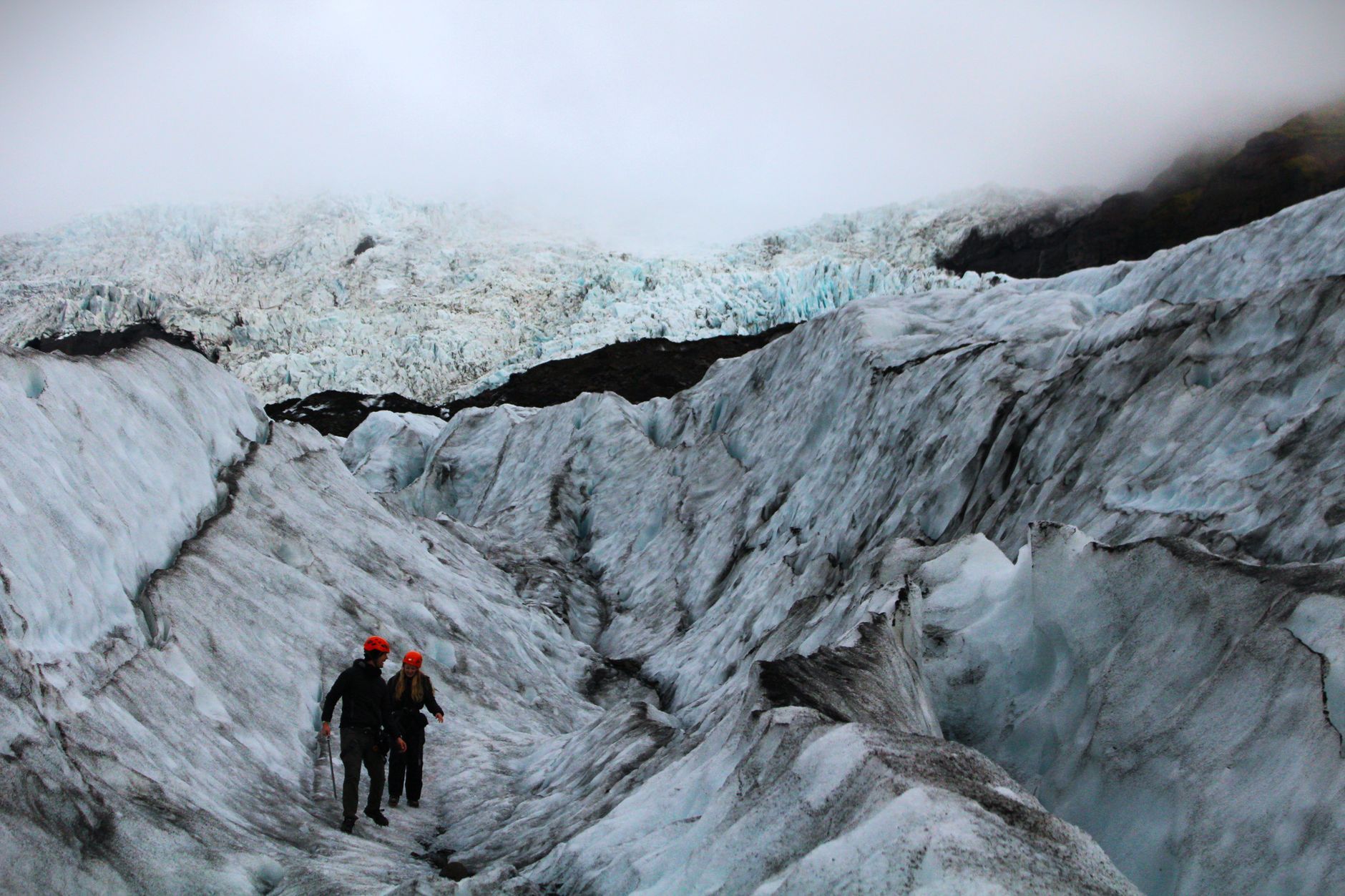
Glacier tours are cancelled or rerouted for weather more often than visitors expect, so book with an operator that offers flexible rescheduling rather than assuming a fixed slot will go ahead. For hot springs, the changing-room-to-pool walk is often outdoors and barefoot-unfriendly, which is where the flip-flops earn their space in the bag. One more local habit worth copying: skip packing your own towel for the big geothermal lagoons, since rentals are standard and one less wet item in your bag is one less thing to dry overnight.
Daypack Essentials for Ring Road Days
- An offline map downloaded in advance (cell coverage drops out along stretches of the south and east coasts)
- A refillable water bottle (tap water is excellent and free almost everywhere)
- A small headlamp, useful for winter afternoon dark and for exploring ice caves or lava tubes
- Snacks and a thermos, since services between towns can be an hour or more apart
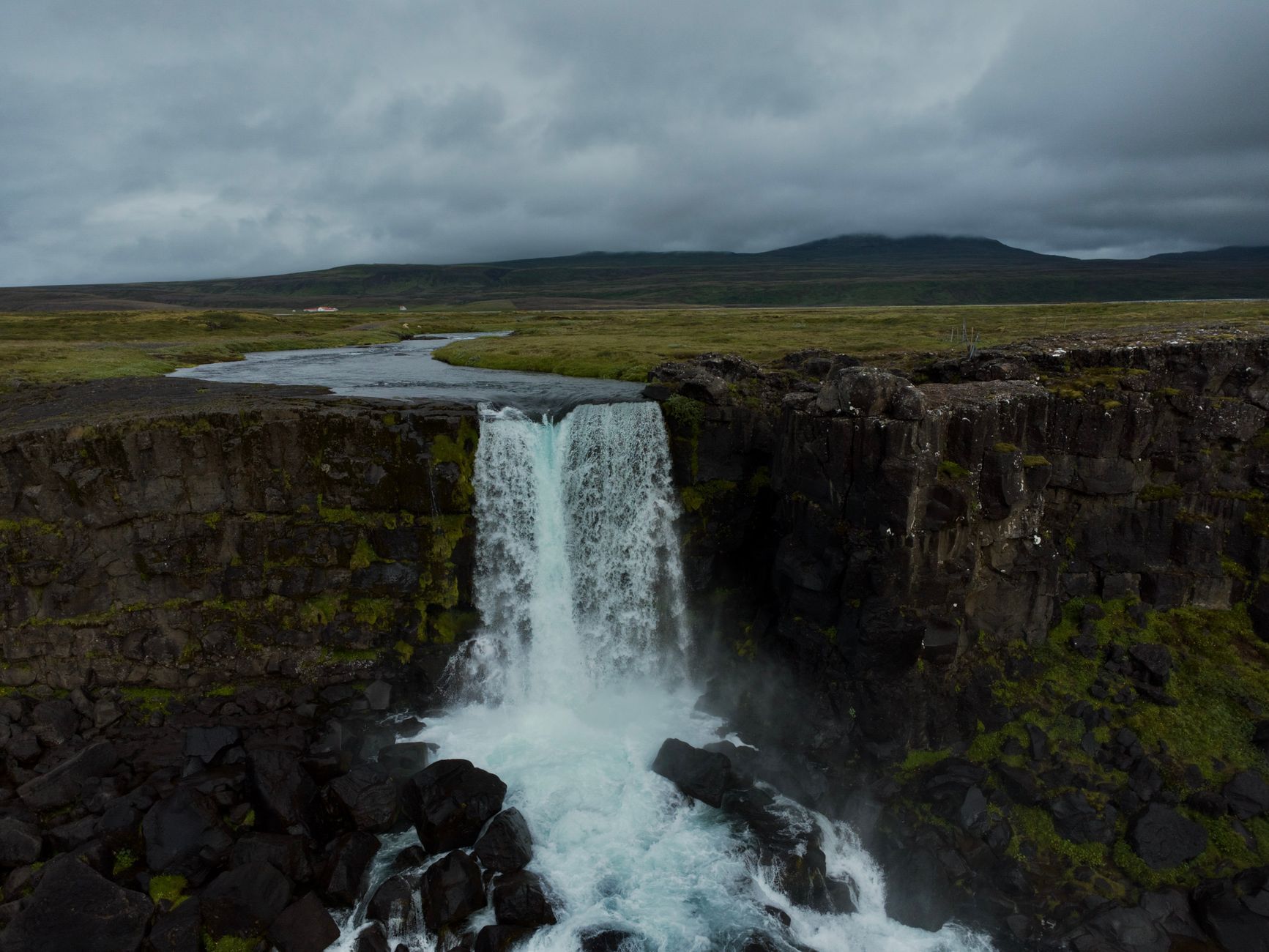
Most rental cars won't have a phone mount or charger cable included, so bring your own if navigation matters to you. Locals rarely pack a paper map anymore, but they do treat a downloaded offline route as non-negotiable, because a dead signal in a canyon with an unmarked turnoff is a genuinely common way for a day trip to go sideways.
If a piece of gear feels like overkill to check as luggage — crampons, a heavier winter coat, hiking poles — renting it in Reykjavik is usually cheaper and easier than it sounds. Outdoor gear shops there are used to outfitting tourists for a single week and can save real suitcase space, especially useful for anyone flying in on a budget airline with strict baggage limits. [VERIFY: current rental prices and specific shop names before publishing.]
What Not to Bring (Or Overpack)
Umbrellas are close to useless once wind gets involved, and most visitors abandon theirs, inverted, within the first two days. Heavy books, multiple pairs of jeans, and a full toiletry kit are dead weight — jeans especially, since they hold water and take forever to dry if they get wet on a hike. Formal clothing is rarely needed outside a handful of upscale Reykjavik restaurants, and even then, smart-casual is the ceiling, not the floor.
Overpacking "just in case" outerwear is the other trap. One good shell layered over a mid-layer and a base layer covers nearly every scenario. A second heavy coat is rarely worth the suitcase space when the fix is simply adding or removing a layer. The same goes for hair dryers and travel irons — most guesthouses and hotels already provide one, and Iceland runs on the European 230V two-pin plug, so anything you do bring needs an adapter regardless.
How the List Shifts: Summer vs. Winter
Summer (June to August) means long daylight, milder temperatures, and a genuine chance of a warm afternoon, but the core layering system stays the same because a mild afternoon can drop several degrees the moment cloud cover rolls in off the coast. Add a lightweight rain shell and swap the heaviest down jacket for a packable one. An eye mask is worth adding too, since near-endless daylight in June and July catches more visitors off guard than the cold ever does.
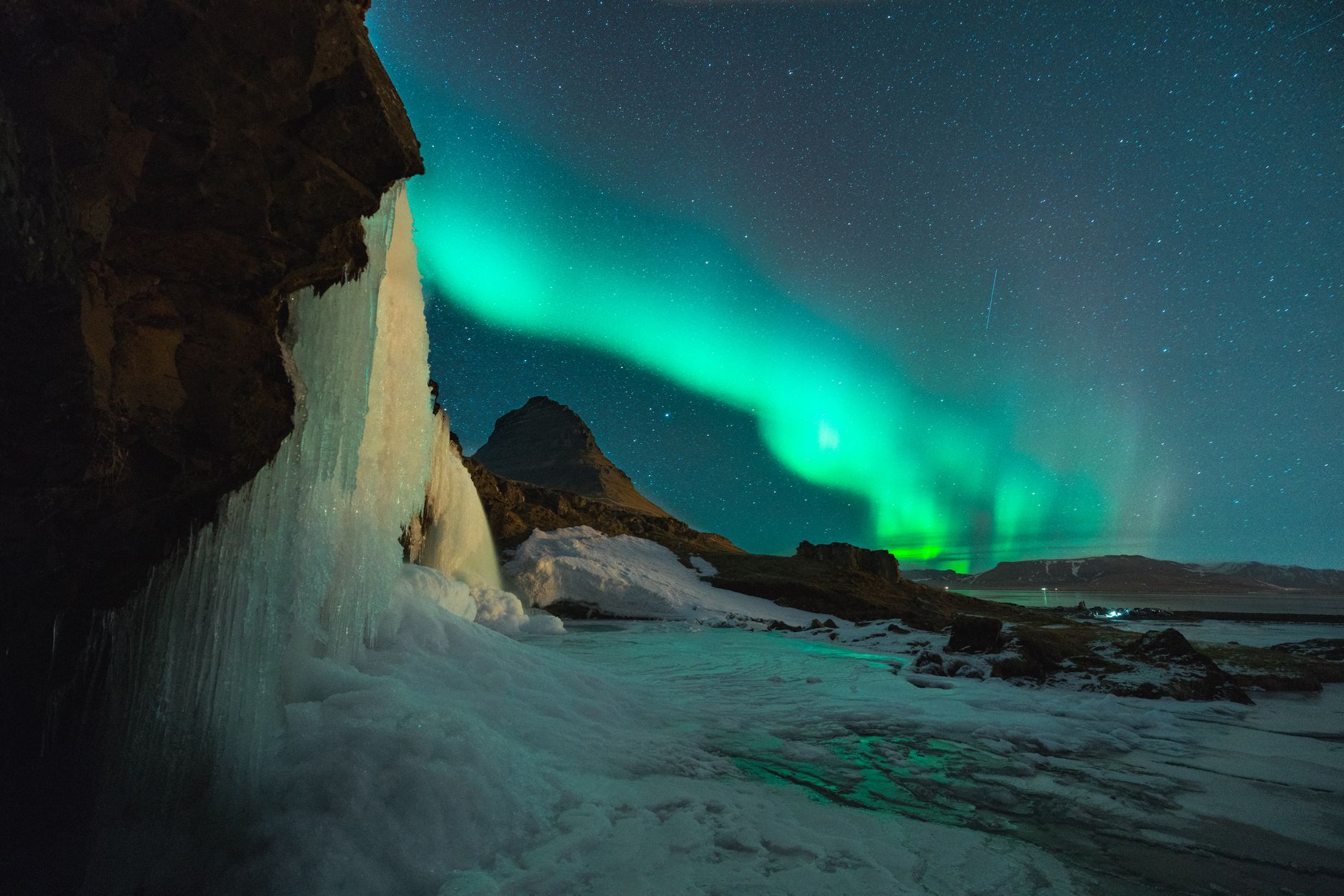
Winter (November to March) raises the stakes: shorter daylight, icier trails, and a real need for thermal base layers, waterproof insulated boots, and traction devices like crampon-style ice grips for walking on sidewalks, not just glaciers. Pack a headlamp if any activities run into the afternoon dark, and bring a proper winter coat rather than relying on layering alone — this is the one season where more insulation genuinely earns its weight. [VERIFY: exact average daylight hours and temperature ranges by month before publishing, as these shift year to year.]
The shoulder months (April, May, September, October) are the trickiest to pack for precisely because they can swing either way within the same week, so treat them like a compressed version of both lists: full layering system, waterproof boots, and a packable warm layer, just in case that week decides to behave like winter instead of spring.
Whatever month you land in, the same principle holds: pack for four seasons in one day, dress in layers you can adjust in the parking lot, and you'll spend a lot less time thinking about the weather and a lot more time looking at it.