10 Morning Routines That Actually Stick, According to People Who've Kept Them for Years
Transformation Tribesa · September 22, 2026
Most morning routines fail for one of two reasons: they change everything at once, or they were copied wholesale from someone else's life. A finance influencer's 5am cold plunge and journaling stack doesn't fail because you're undisciplined. It fails because it was never built for your schedule, your job, or your kids waking up at 6:15 whether you're ready or not. A morning routine that works is usually smaller, more boring, and much easier to repeat than the ones that get filmed for social media.
The ten routine elements below come from people who've actually kept some version of them for years, not weeks. None of them require waking up before dawn. Pick one or two, not all ten.
Why a Morning Routine That Works Looks Different From One That Just Looks Good
The habits that survive contact with a bad night's sleep, a sick kid, or a late meeting the night before are the ones that ask the least of you. Researcher and habit-formation specialist BJ Fogg, whose Tiny Habits method is built entirely around this idea, argues that motivation is unreliable but a small enough action is not. That's the throughline in every routine element below: each one is designed to survive a bad day, not just a good one.
1. Anchor Your Wake Time, Not Your Bedtime
Most advice starts with "go to bed earlier," which is true but useless if you can't control your evening. The more durable version is anchoring a consistent wake time, seven days a week, including weekends. Your circadian rhythm responds more to when you get up than when you fall asleep, so a stable wake time pulls your bedtime into alignment over a couple of weeks instead of the other way around.
The concrete detail most guides skip: the first few mornings will feel worse, not better, especially if you're shifting your wake time earlier. Give it ten days before deciding whether it's working. The common pitfall is quitting on day four because "it's not helping yet."
2. Get Outside Before You Get Caffeinated
Morning light, ideally within the first 30-60 minutes of waking, is one of the few genuinely low-effort levers for daytime alertness and evening sleepiness. You don't need a specialized light therapy device unless you live somewhere with very limited daylight in winter, though people in that situation often use a lamp like the ones sold by Verilux or Carex to approximate it.
This one takes two to five minutes: step outside, no sunglasses, while your coffee brews. The pitfall is treating it as optional in winter, which is exactly when it matters most and feels hardest to do.
3. Move Your Body for Two Minutes, Not Sixty
The people who've kept an exercise habit for years almost never started with an hour-long routine. They started with something so small it was hard to skip: ten push-ups, a two-minute stretch, one flight of stairs twice. Author James Clear calls this the "two-minute rule" in Atomic Habits — the idea is to make the starting action so small that avoiding it feels sillier than doing it.
The detail generic advice misses: the two-minute version isn't a warm-up for a longer workout, it's the whole habit. Some days it stays at two minutes. That's the point, not a failure.
4. Drink Water Before You Drink Coffee
You go six to nine hours without fluids overnight, and coffee is a mild diuretic, so leading with water rather than caffeine is a genuinely simple swap. Most people who keep this habit long-term use a specific glass or bottle kept by the bed or the coffee maker, so it becomes a visual cue rather than something they have to remember. A dedicated bottle from a brand like Hydro Flask or Stanley works, but the brand matters less than always using the same one.
Implementation cost: near zero. The pitfall is putting the glass somewhere you won't see it, which quietly kills the habit within a week.
5. Write Tomorrow's Three Priorities on Paper
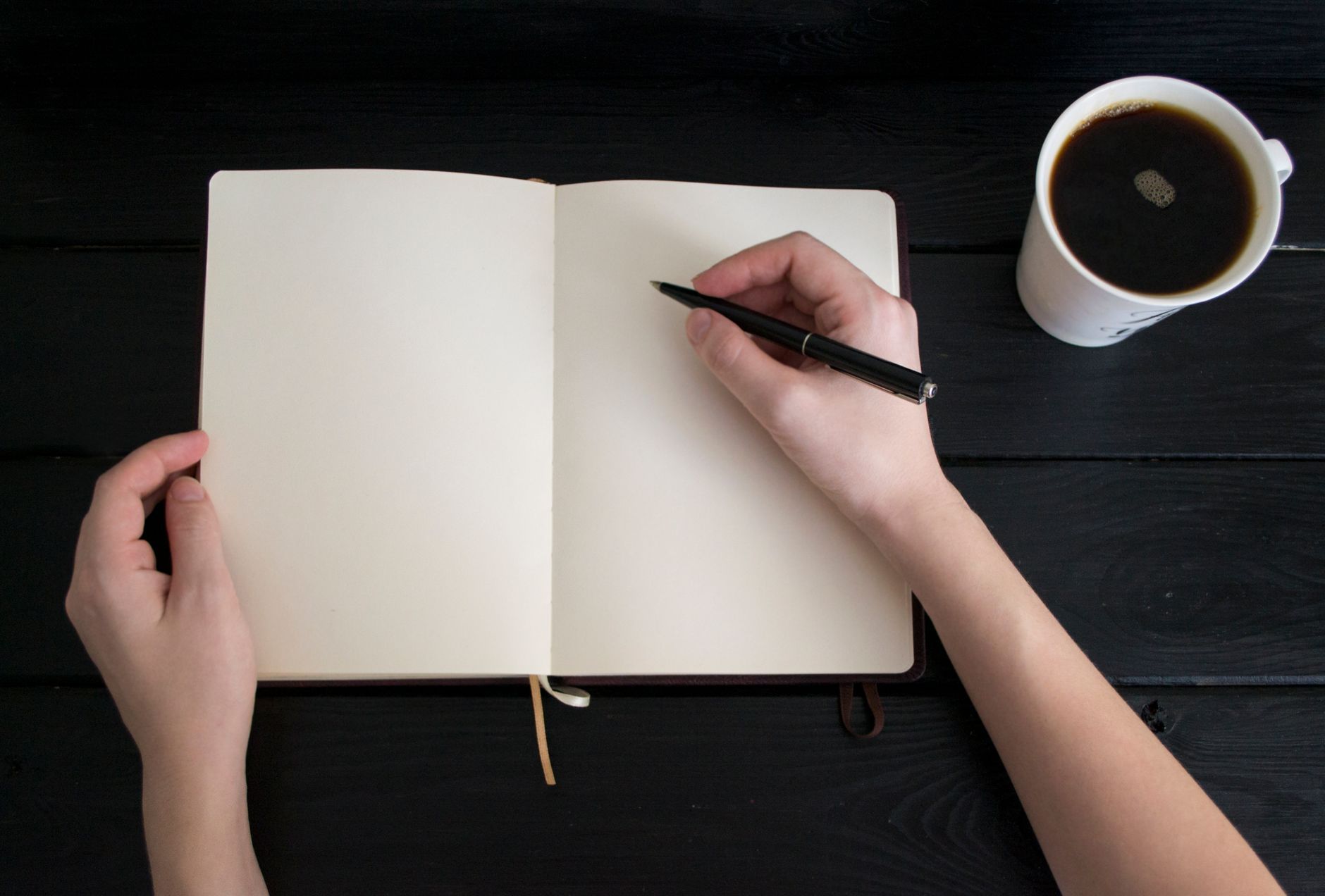
Not a full to-do list, just three things, written by hand, ideally the night before or first thing in the morning. People who've kept this for years consistently say the physical act of writing matters, not just the planning. A plain notebook like a Moleskine or a Field Notes pocket notebook works better for most people than an app, because there's no notification pulling you into email while you're supposed to be planning.
The common mistake is writing seven or eight items instead of three, which turns a five-minute clarity exercise back into an overwhelming list.
6. Keep the Phone Charging Outside the Bedroom
This isn't really a morning habit, it's an evening one with morning consequences: if your phone charges in another room, your first ten minutes awake are yours instead of your inbox's. This requires an actual alarm clock, not your phone doubling as one. A basic clock, or a sunrise-simulating one like those made by Lumie, solves the practical objection people raise first.
Cost to implement: one alarm clock, a few dollars to a hundred depending on the model. The pitfall is "just this once" bringing the phone back into the bedroom during a stressful week, which quietly becomes permanent.
7. Eat the Same Breakfast Most Days
Decision fatigue is real, and breakfast is one of the easiest decisions to remove entirely. People who've sustained this for years usually have two or three rotating options, not one rigid meal, which keeps it from feeling like deprivation. For general guidance on what a balanced version of this looks like, Harvard's Nutrition Source is a solid, non-fad-diet reference point. [VERIFY: any specific health claim about breakfast timing or metabolism should be checked before publishing, as the evidence here is more mixed than headlines suggest.]
The overlooked detail: prepping the ingredients the night before removes the actual friction, since deciding what to eat and having it ready are two separate obstacles.
8. Finish Your Shower Cold, for Thirty Seconds
This is the one people are most skeptical of and, among those who've kept it for years, the one they defend most. You don't need an ice bath or a plunge tank, popularized in mainstream form by figures like Wim Hof. Thirty to sixty seconds of cold water at the end of a normal shower is enough to trigger the alertness effect people are after.
The pitfall is starting with five minutes and quitting after one bad experience. Thirty seconds, most days, beats five minutes attempted twice and abandoned.
9. Journal for Under Five Minutes, With a Prompt
Open-ended journaling ("write about your feelings") is where most journaling habits die, because a blank page is intimidating at 7am. A structured prompt removes that barrier. Products like The Five Minute Journal by Intelligent Change work for a lot of people specifically because the format is fixed: three gratitudes, one intention, done.
Time cost: genuinely under five minutes once the format is familiar. The pitfall is switching prompts or formats every few weeks looking for the "right" one, which resets the habit each time.

10. Stack the New Habit Onto One You Already Have
This is less a routine element on its own and more the mechanism that makes the other nine actually stick. Habit stacking, formalized by BJ Fogg's Tiny Habits framework, means attaching a new habit to an existing one you never skip, rather than trying to build it from scratch at a fixed time. "After I pour my coffee, I'll write three priorities" is more durable than "I'll journal at 7am," because the coffee already happens reliably.
The detail worth knowing: pick an anchor habit you do every single day without exception, even a mediocre one like brushing your teeth, rather than one you already sometimes skip.
Where to Actually Start
Not all ten. If you try to install all ten routine elements at once, you'll likely keep none of them past the second week. Start with anchoring your wake time and getting outside for morning light. Together they take under ten minutes, they don't require buying anything, and they make almost every other habit on this list easier once your body's sleep-wake signal is more consistent. Add one more element every two to three weeks, not every two to three days.