10 Underrated Towns in Portugal Tourists Haven't Found Yet
Transformation Tribesa · September 22, 2026
Everyone who's done a week in Portugal has the same photos: Lisbon's tiled facades, Porto's riverside cellars, maybe Sintra's fairy-tale palaces if they had an extra day. But the towns that actually stay with you tend to be the ones nobody mentioned before you got there. This is a guide, informed in part by Portugal's official tourism board, to underrated towns in Portugal that reward the extra hour of driving, the ones locals visit on weekends precisely because tourists haven't found them yet.
Why These Underrated Towns in Portugal Are Worth the Detour
Portugal is a small country, which means almost nowhere is more than a half-day trip from Lisbon or Porto. What follows are ten places where you'll hear more Portuguese than English, eat where the town actually eats, and get a version of the country that doesn't come pre-packaged for a bus tour. None of these require giving up comfort; most have at least one small guesthouse or family-run inn, they just don't have queues. A rental car opens up more of this list than public transport will, so factor that into how many of the ten you can realistically string together on one trip.
1. Monsaraz
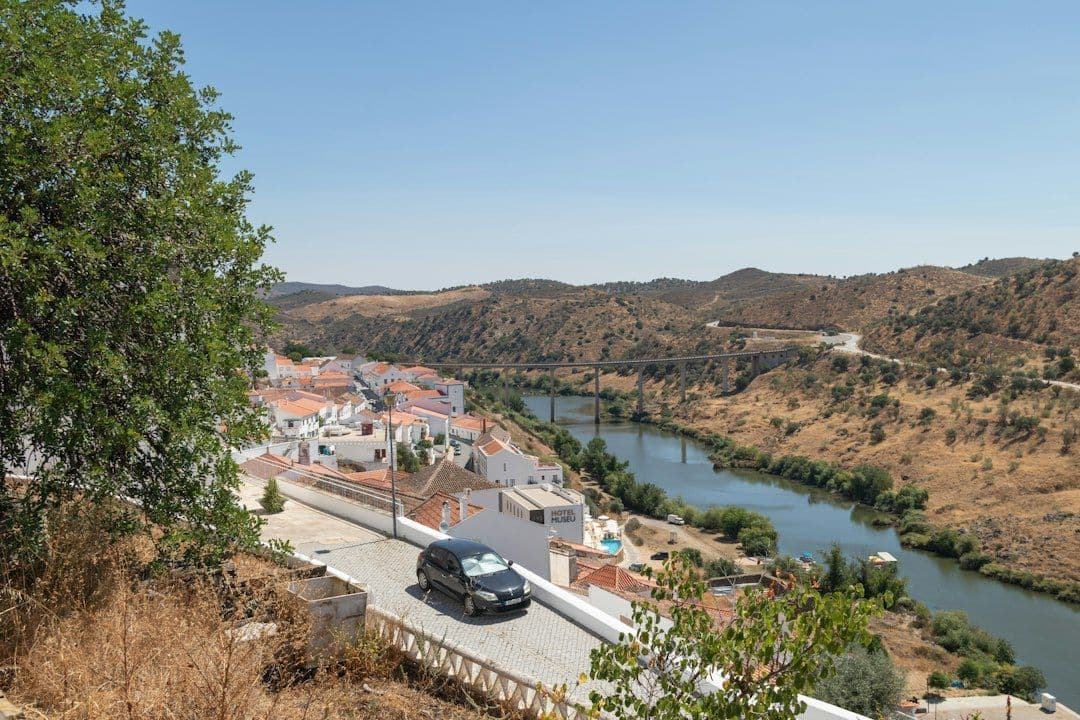
A walled hilltop village in the Alentejo overlooking the Alqueva reservoir, Monsaraz is small enough to walk end to end in fifteen minutes, which is exactly the point. The non-obvious detail: come at dusk, when the reservoir below turns silver and the whitewashed houses catch the last light, and you'll likely have the castle ramparts to yourself. It's roughly two hours from Lisbon by car; there's no practical train option, so this one is a driving trip. Spring and early autumn are kindest, since Alentejo summers run brutally hot. Stay the night if you can; the village empties out almost entirely once the day-trippers from Évora leave.
2. Marvão
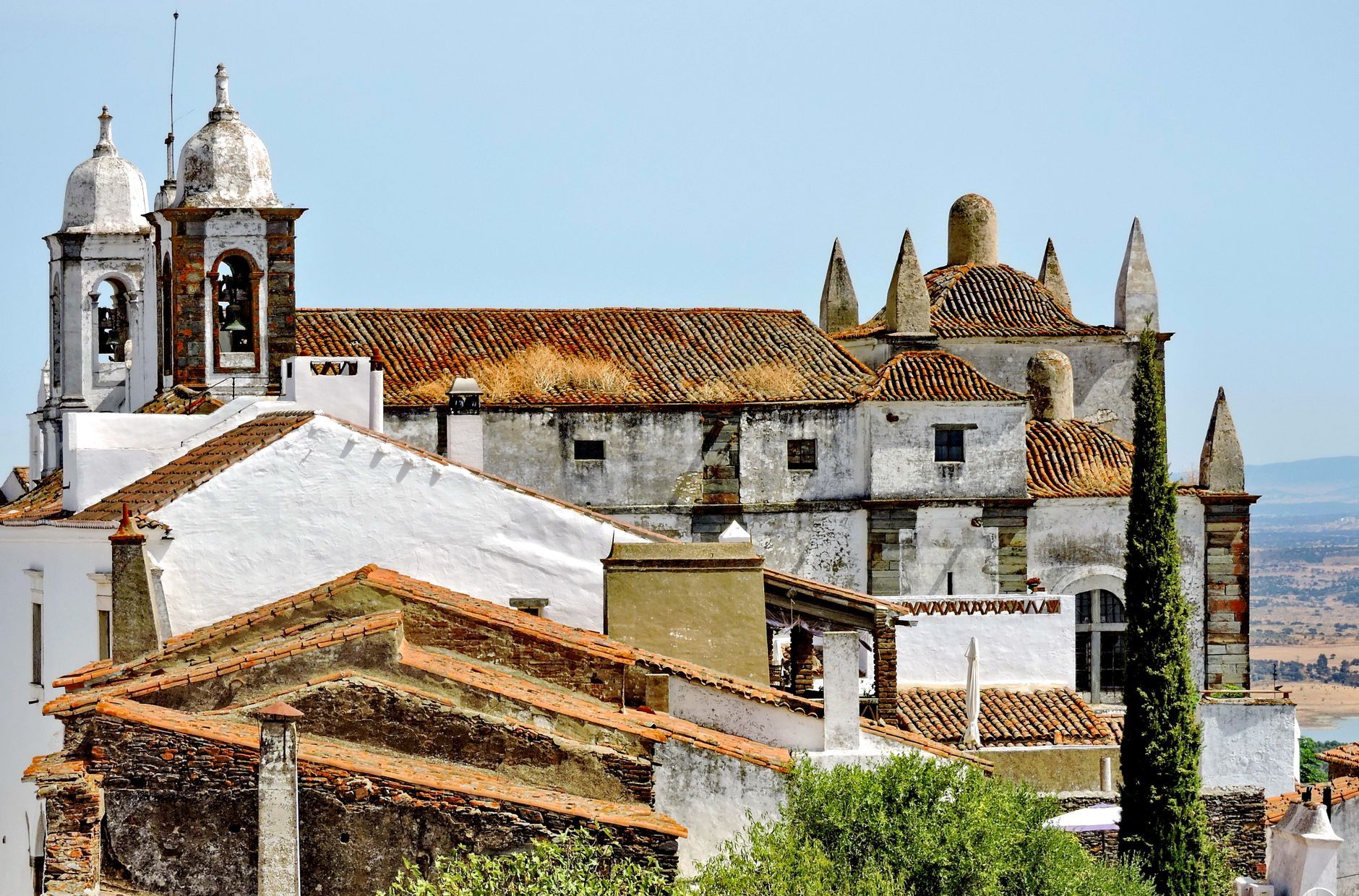
Perched on a granite outcrop near the Spanish border, Marvão feels less like a village and more like a fortress that people happen to live in. The view from its walls stretches into Spain on a clear day. What guidebooks skip: the town's tiny museum of local costume and craft is a better use of twenty minutes than most regional museums three times its size. Getting there without a car is genuinely hard [VERIFY current bus schedules before relying on one], so this is a stop best combined with Marvão's larger neighbor, Portalegre, which has more frequent transport links and a proper regional bus station.
3. Piódão
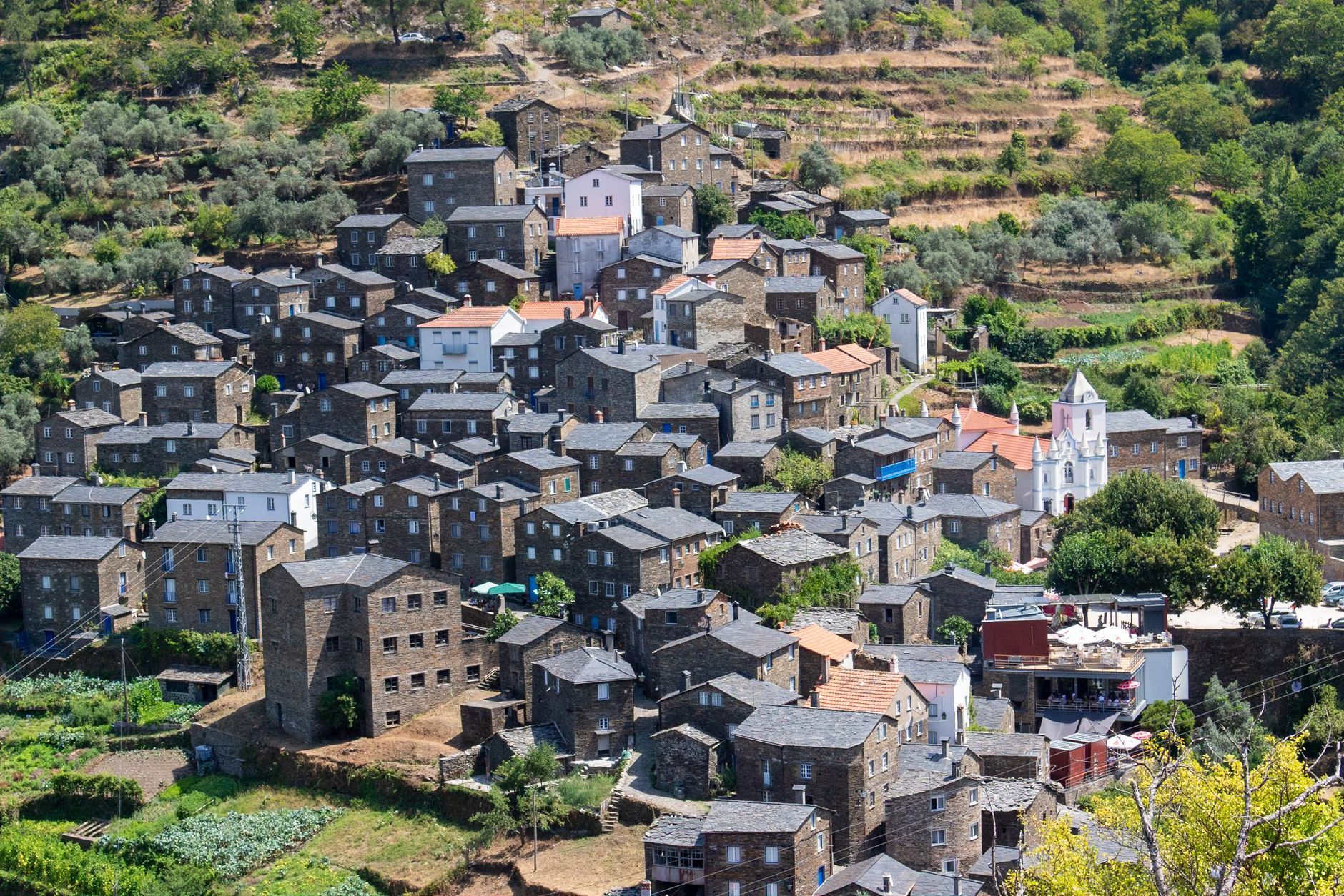
Built entirely from local schist, Piódão's houses are the same grey-brown stone as the mountainside they're built into, with only the blue-trimmed doors and windows breaking the pattern. It's one of Portugal's official schist villages, but far less visited than that designation would suggest. The detail worth knowing: the switchback road down into the valley is the real attraction, not just the village itself. Winter can bring genuinely cold, foggy conditions here, so late spring through early autumn is the more forgiving window. There's little in the way of nightlife, which is precisely the appeal if you've come from a busier stretch of the trip.
4. Tomar
Tomar's Convento de Cristo, a former Knights Templar stronghold, is one of the most architecturally strange buildings in Portugal, and yet the town around it stays quiet even in peak season. The charivari window inside the convent, covered in carved rope, coral, and armillary spheres, is worth the visit alone. Tomar is an easy train ride from Lisbon, under two hours, which makes it one of the more accessible entries on this list for anyone without a car. The town below the convent is genuinely walkable, with a small river island park that makes a good break between the castle and lunch.
5. Amarante
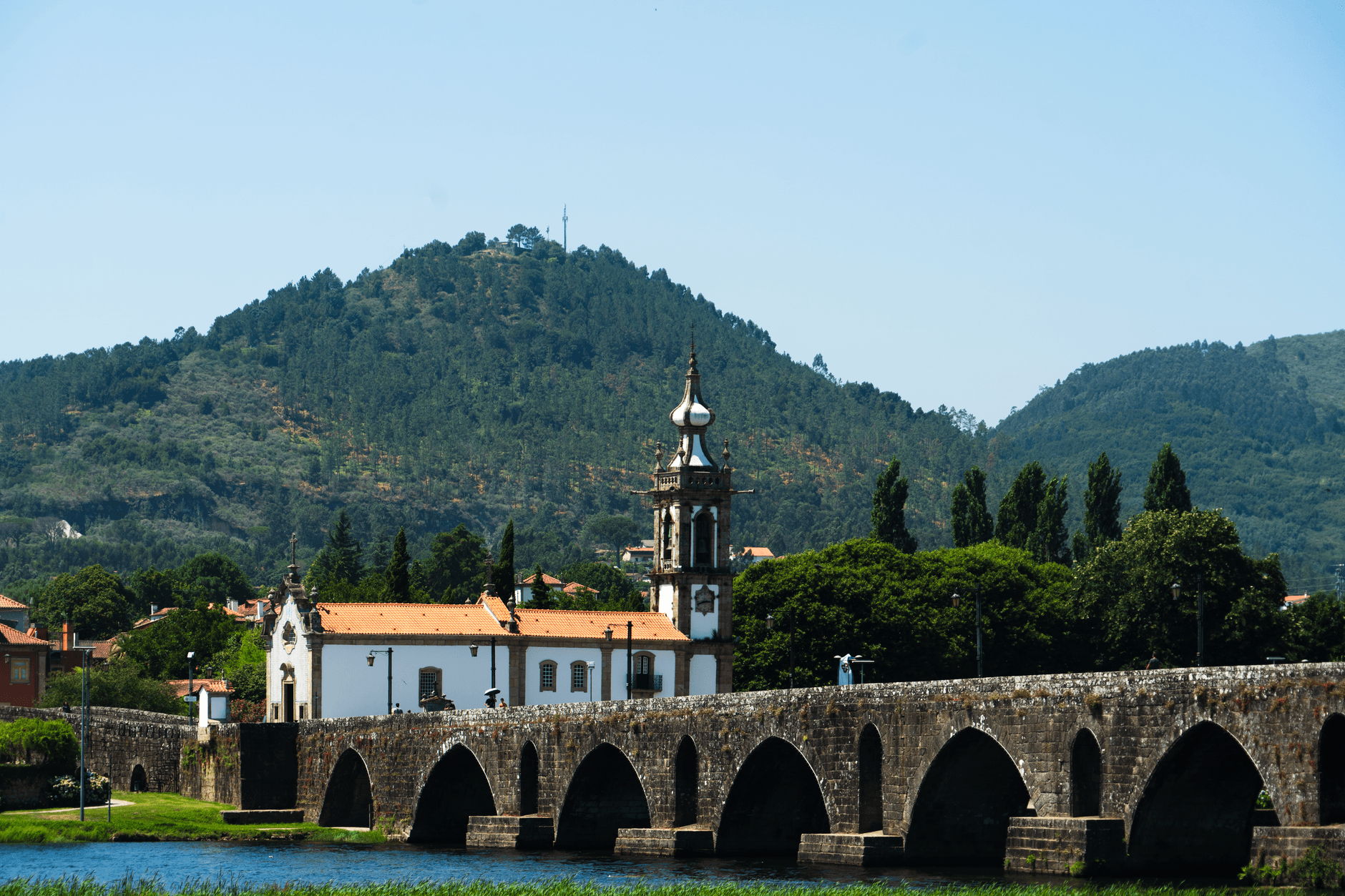
A river town in the Minho with a Baroque bridge and a riverside promenade lined with cafés, Amarante has the charm of Porto's older neighborhoods without the crowds. It's also the birthplace of a distinctly local pastry tradition; bakeries here sell sweets shaped in ways that would raise eyebrows anywhere else, tied to old fertility festivals. It sits about an hour from Porto by car or regional train, making it an easy half-day add-on to a Porto stay. The hills around town are also wine country, if you want a reason to linger past the afternoon.
6. Monsanto
Officially voted the "most Portuguese village in Portugal" decades ago, Monsanto is built directly into and around enormous granite boulders, with some houses using the rock itself as a wall or roof. The non-obvious detail: climb to the ruined castle at the top, and you'll find a chapel wedged between two boulders so large it looks impossible. It's remote, close to the Spanish border in central Portugal, and really only practical by car. Give it at least a half day; the appeal is in wandering the boulder-strewn lanes slowly, not ticking off a single viewpoint.
7. Viana do Castelo
A coastal town in the far north, Viana do Castelo has the Art Nouveau architecture and riverside energy of a small Porto, plus a hilltop basilica reachable by funicular with a genuinely striking Atlantic view. It's also the traditional home of some of Portugal's most elaborate embroidered folk costumes, on display if you time a visit around a local festival [VERIFY exact festival dates before planning around one]. About an hour north of Porto by train, it also has a proper Atlantic beach within walking distance of the center, which few of the other towns on this list can claim.
8. Idanha-a-Velha
This one barely counts as a town: a few dozen residents inside Roman and Visigothic ruins, including a cathedral built over an old Roman temple. (See Idanha-a-Velha for its Roman and Visigothic history.) What makes it worth the detour is exactly that emptiness, walking through two thousand years of layered history without another visitor in sight. It's deep in rural Beira Baixa, near Idanha-a-Nova, and realistically requires a car and a willingness to get slightly lost on unmarked roads. Bring water and cash; there's essentially no infrastructure for visitors here, which is part of what keeps it honest.
9. Constância
Where the Zêzere river meets the Tagus, Constância is a tidy white-and-blue river town with strong ties to Portugal's national poet, Luís de Camões, who is said to have written part of Os Lusíadas here. The detail worth seeking out: the riverside gardens named for the poet are a quiet, shaded spot to sit that almost no passing tourist bothers to find. It pairs naturally with a stop in nearby Tomar, about 30 minutes away by car. Small riverside restaurants here serve freshwater fish dishes you won't find on a Lisbon menu.
10. Belmonte
Belmonte holds one of Portugal's most unusual histories: a community of Jewish families who practiced their faith in secret for nearly five centuries after forced conversion (see crypto-Judaism), only re-emerging openly in the twentieth century. The town's Jewish museum tells that story directly, and the old quarter around the castle still carries the physical layout of that hidden history. It's inland, closer to Spain than to the coast, and best reached by car as part of a wider Beira Interior route. The surrounding hills also produce some of Portugal's better olive oil, if you're the kind of traveler who brings food home.
Pairing Two for a Long Weekend
If you only have a long weekend, pair Tomar and Constância. They're half an hour apart, both reachable without excessive driving from Lisbon, and together they cover Templar history, riverside towns, and Portugal's literary heritage without demanding a full road-trip itinerary. You could realistically see both, plus a slow lunch, inside two relaxed days. Save the more remote entries, like Monsanto and Idanha-a-Velha, for a trip built specifically around the Beira Baixa interior, where the driving itself becomes part of the point rather than an obstacle to it. However you split it up, the common thread across all ten is the same: arrive with no fixed agenda, and let the town set the pace instead of your itinerary.